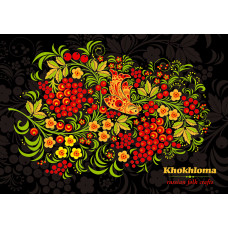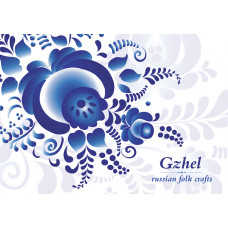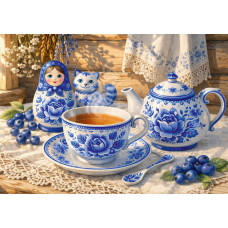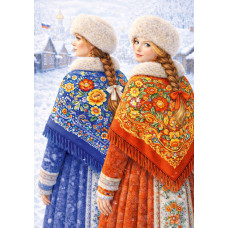
In postcrossing postcards are normally sent without envelopes. That way the stamp, postmark and traces of a long journey remain on the postcard itself instead of on packaging that may later be discarded. To a postcrosser these details can matter just as much as the picture on the front.
The official postcrossing help page is quite clear about this: postcards are normally mailed without envelopes, and most members prefer to receive them that way. Envelopes are allowed, but they are the exception rather than the default.
A postcard is more than a picture
Someone who is new to postcrossing may pay attention mainly to the picture side. For an experienced postcrosser the back can be just as interesting. It carries:
- a real postage stamp from the sender's country;
- a postmark with a date and sometimes the name of a town;
- postal processing marks;
- a handwritten address;
- a few personal lines from someone you have never met;
- the Postcard ID used to register the card.
Together these details turn an ordinary printed card into a unique object. There will never be another postcard with exactly the same combination of stamps, postmarks, handwriting and message.
You can buy a clean postcard with a beautiful picture for yourself. But a postcard that has genuinely crossed borders, passed through sorting centres, mailbags and the hands of postal workers exists only once.
The stamp and postmark belong on the postcard
Beautiful stamps are one of the special pleasures of postcrossing. Many senders deliberately choose several lower-value stamps, look for issues connected with the recipient's interests or arrange the stamps into a small composition.
Yet the stamp itself is only part of the story. What matters is that it was used to send this particular postcard and cancelled with a real postal mark.
Put the postcard in an envelope, and the stamps and postal markings remain on the envelope. The postcard arrives clean without a cancellation a mailing date or any visible evidence of the journey it has made.
If the recipient does not collect envelopes, the packaging may be discarded or cut up to save the stamps. The postcard remains, but its postal history has been separated from it.
What postcrossers say
Postcrossers have been discussing envelopes for years, and the same idea appears again and again: the stamp, postmark, message and travel marks are what make a postcard feel alive.
“If I wanted a pristine postcard, I'd just buy it myself.”
“I prefer the damage. It gives the card a story.”
“For me a postcard is the front and the back with stamp and postmark.”
“Written cards are full of energy and soul.”
These comments come from long-running discussions on the postcrossing community forum and a later conversation about travel marks.
Travel marks are not always flaws
No one is pleased to receive a postcard torn by a sorting machine or ruined by water. A slightly worn corner, a postmark impression or a small ink smudge feels different. These are signs of a real journey.
This is why many postcrossers see the front and back as one complete object: the picture tells them something about the sender's home or interests, while the back shows where the postcard came from and how it reached its destination.
When does an envelope make sense?
Sending a postcard without an envelope is the norm but there are exceptions. An envelope can be useful when:
- the recipient collects stamps separately and wants to remove them without damaging the postcard;
- several postcards are being sent together;
- the sender is including a letter, photographs or small paper souvenirs;
- the postcard is made from a fragile or unusual material;
- the recipient would prefer the message to be hidden from curious eyes.
Postcrossers usually mention these preferences in their profiles. If there is no special request, the usual choice is to write on the postcard, place the stamp directly on the back and send it without an envelope.
What about blank postcards?
Postcrossers sometimes arrange direct swaps of several blank postcards. In that case, an envelope is genuinely useful: the cards need to arrive together, without addresses or messages on the back. But this is a separate agreement between two people. A normal postcrossing exchange is built around a written and stamped postcard carrying a personal message.
Why postcards are more interesting without envelopes
Imagine two identical postcards. One is clean and sits in an album. The other carries a foreign address, distinctive handwriting, a few lines about today's weather, a local stamp and the postmark of a town thousands of kilometres away.
The pictures may be identical but only one of these postcards connects two people and carries visible proof of its journey.
These are exactly the kinds of journeys we have in mind when choosing postcards for postcrossing at Postal Shop. Their backs have clear address lines and a proper space for postage, while leaving enough room for a warm message to the recipient. Add stickers, rubber stamps or decorative tape if you like, then send the card the way postcrossers love most: without an envelope, ready to begin its own postal story.
Because in postcrossing the picture is only part of what matters. The journey is something you can hold in your hands.