In the world of Postcrossing the back of a postcard is just as important as the front. A well-chosen stamp can transform a simple message into a unique piece of art that collectors will treasure for years. If you’re curious about the stamps coming from Russia or looking for inspiration on how to decorate your outgoing mail, this guide is for you.
Definitive vs. Commemorative: What’s the Difference?
When you receive a postcard from Russia, you’ll likely see one of two types of postage:
- Definitive Stamps: These are standard stamps used for everyday mail (often featuring the Russian coat of arms or wildlife). They are reliable and get the job done!
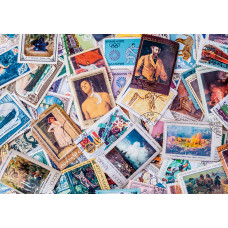
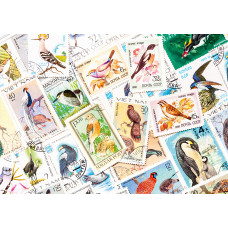
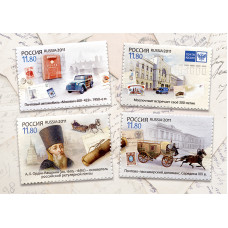
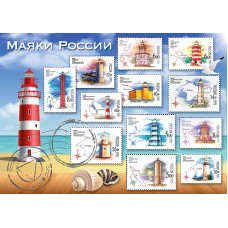
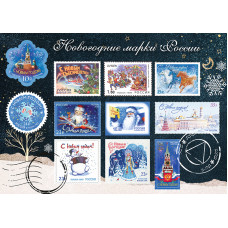
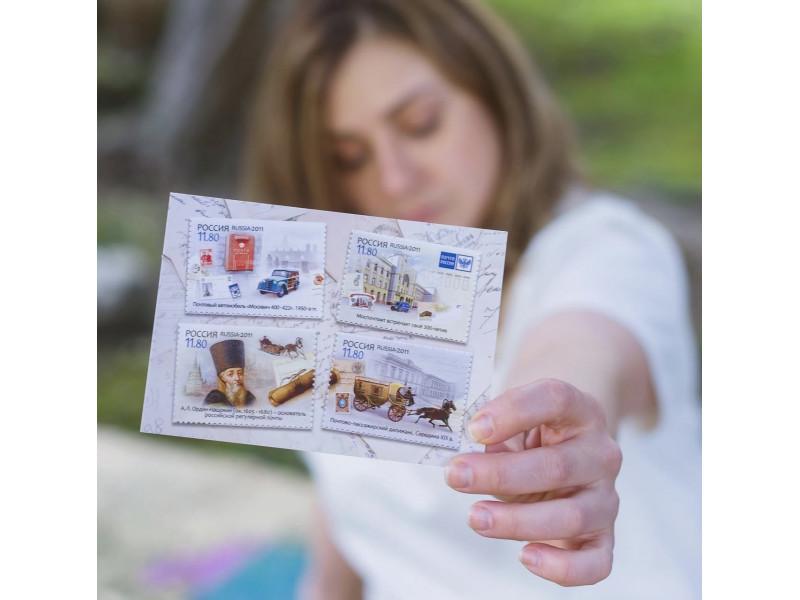
- Commemorative Stamps: These are the true "gems" of snail mail. They feature beautiful illustrations of famous Russian paintings, historic architecture, rare animals, and cultural icons. For many postcrossers, receiving a card with a commemorative stamp is a major highlight.
Where to Find Beautiful Russian Stamps?
At Postal Shop we believe that every detail matters. While many senders use whatever is available at their local post office, we offer a curated selection of collectible Russian stamps in our shop. These stamps are not only valid for postage but also serve as a wonderful introduction to Russian history and art for your recipients.
3 Rules for a Perfect Mail Art Layout
To ensure your postcard looks professional and reaches its destination safely, follow these international mailing standards:
- Secure Placement: Postcards travel through many automated sorting machines. Make sure your stamps are glued down firmly so they don't peel off during their long journey across borders.
- Never Overlap: It is a golden rule of philately—never stick one stamp over the edge of another. Every stamp must be fully visible so that postal workers and scanners can verify the total postage amount.
- Leave Room for the Postmark: Arrange your stamps neatly in the top right corner, leaving a tiny bit of space between them. This allows the postal ink (the "cancel") to be applied clearly, which many collectors find very aesthetic.
Mail art is a bridge between cultures. By choosing unique stamps and arranging them with care, you’re sending more than just a card—you’re sending a small hand-crafted gift. Happy Postcrossing!
In our next article we’ll discuss how to protect your cards during transit and whether you should use envelopes or "naked" postcards. Stay tuned!